


Why luck matters more than skill in gambling
The Nature of Gambling
Gambling is inherently a game of chance, where outcomes hinge largely on luck rather than solely on skill. While a player’s expertise can potentially enhance their chances of winning, it can never fully eliminate the unpredictable elements that characterize every gambling scenario. Activities such as rolling dice, spinning a roulette wheel, or drawing cards are all affected by variables that are beyond any individual’s control, and exploring the best nz online casino can provide a thrilling experience. Even the most skilled players can find themselves at the mercy of fate, illustrating that luck often reigns supreme in determining the outcome of any game.
Take poker, for instance, a game where skill is often touted as paramount. A player might possess an extensive understanding of probabilities and strategies, yet they can still experience catastrophic losses due to receiving an unfavorable hand or unhelpful community cards. This serves to highlight how, in many instances, luck can dramatically overshadow skill in influencing the results of individual games. The randomness involved can also lead to psychological impacts on players, prompting them to make decisions driven more by emotion than by careful analysis of the situation.
The emotional ups and downs associated with gambling further emphasize the role of luck. During a winning streak, players often feel invincible, bolstered by confidence in their capabilities. In contrast, a series of losses can induce frustration and self-doubt, underscoring the reality that, irrespective of skill, fortunes may shift unexpectedly. The cyclical nature of luck keeps players engaged and entertained but also highlights the unpredictability that makes gambling an endlessly fascinating endeavor.
The Illusion of Control
A notable phenomenon in gambling is the illusion of control, where players convince themselves that their skills can significantly influence outcomes. This psychological trick can lead to an overestimation of one’s abilities, causing players to believe that their strategic knowledge in games like blackjack can somehow override the basic principles of probability. However, the reality is that built-in house edges and the randomness of draws are formidable barriers that cannot be easily overcome.
This illusion often drives players to concentrate on skill-based strategies while neglecting the importance of luck. Many might spend countless hours analyzing previous results or developing complex strategies, unaware that these efforts offer only marginal advantages compared to the overwhelming influence of randomness in gambling. When faced with a strategic loss, players are often jolted back to reality, realizing that luck plays an indispensable role that cannot be controlled or manipulated by skill alone.

In many respects, this belief that skill can conquer luck serves to fuel the gambling industry. The allure of mastering a game attracts players who are inclined to invest substantial time and resources in their pursuit of beating the odds. Yet, regardless of whether one is a novice or a seasoned professional, the undeniable truth remains: luck ultimately plays a more decisive role in determining success in gambling than any skill or strategy ever could. Recognizing this can lead players to adopt a more realistic perspective on gambling, where the focus shifts from winning to enjoying the experience itself.
Statistical Evidence
Statistical analysis of various gambling games makes it abundantly clear that luck is a dominant factor influencing outcomes. In games characterized by a high degree of chance, such as slot machines and lotteries, the house edge is intentionally structured to skew the odds in favor of the casino. While players may enjoy occasional victories, long-term statistical evaluations consistently demonstrate a trend that favors the establishment, underscoring that luck is the primary determinant of success.
For example, in blackjack, although players can utilize strategies to enhance their odds, the inherent variance in card draws plays a significant role in the game. Even with techniques like card counting, a player can find themselves at a disadvantage due to receiving a poor hand. This reinforces the idea that luck is a more crucial component in the gambling equation than any acquired skill or strategic approach.
Moreover, the randomness of results in various games further illustrates the supremacy of luck. In the game of roulette, for instance, no strategy can ensure a win; the ball can land on any number with equal probability. This scenario reinforces the notion that while players can make educated bets, they remain subject to the whims of chance. The statistical data consistently affirms luck’s dominant role in determining outcomes, highlighting its significant advantage over skill in the world of gambling.
Emotional and Psychological Factors
The psychological dynamics of gambling further underscore the idea that luck outweighs skill in importance. Gamblers frequently experience emotional highs and lows that can cloud their judgment, leading them to chase losses or make impulsive bets during streaks of good fortune. This behavior is driven by the unpredictable nature of luck; a sudden win can create a false sense of invincibility, while a string of losses may foster desperation and irrational decisions.
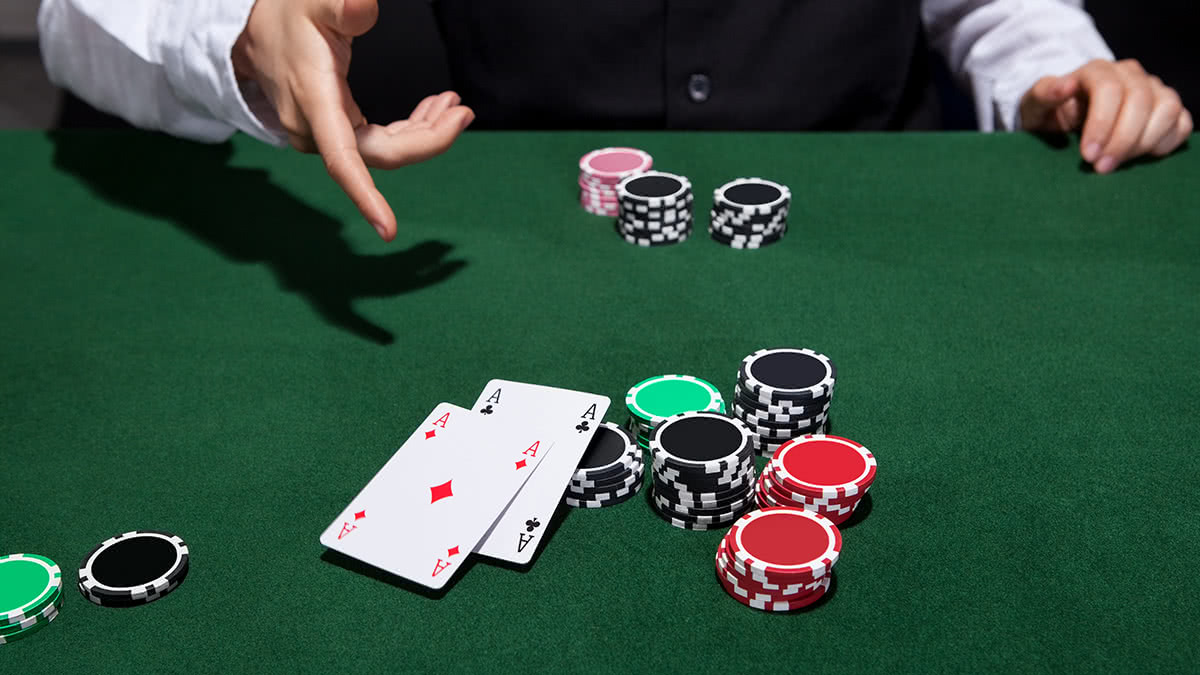
Additionally, the excitement generated by a lucky win can establish a cycle of addiction. Players might convince themselves that their good fortune will persist if they continue playing, often resulting in significant losses over time. This emotional rollercoaster exemplifies how luck governs the gambling experience, overshadowing skill-based strategies. As players immerse themselves in the thrill of the game, they frequently overlook the reality of their circumstances, mistakenly believing they have control over outcomes that are fundamentally dictated by chance.
By understanding the psychological mechanisms at play in gambling, players can navigate their experiences with a healthier mindset. Acknowledging luck’s role, as opposed to attributing outcomes solely to skill, allows for a more balanced approach, emphasizing enjoyment over the relentless pressure to win. Recognizing the predominance of luck can also encourage healthier gambling habits, enabling players to set limits and engage more responsibly in their activities.
Your Ultimate Gambling Resource
This website serves as your comprehensive resource for understanding the intricate dynamics of gambling, exploring both the captivating allure of luck and the role skill plays in various games. The content provided aims to empower players with the knowledge needed to enhance their overall experience. From detailed analyses of casino games to strategies for responsible gambling, visitors will discover an abundance of information designed to inform and engage.
We firmly believe that a thorough understanding of the gambling landscape enables players to make more informed decisions. By emphasizing the critical distinctions between luck and skill in gambling, we seek to foster a sense of realism that prioritizes enjoyment over the pressure to win. This approach ultimately cultivates a healthier gambling culture, where the focus is on fun rather than financial gain.
Join us on this enlightening journey as we delve deeper into the fascinating realm of gambling. Whether you’re an experienced player or a curious newcomer, our website offers valuable insights that can enrich your understanding and appreciation of this engaging pastime. Embrace the thrill of the game while recognizing the essential role that luck plays in every wager you make.
